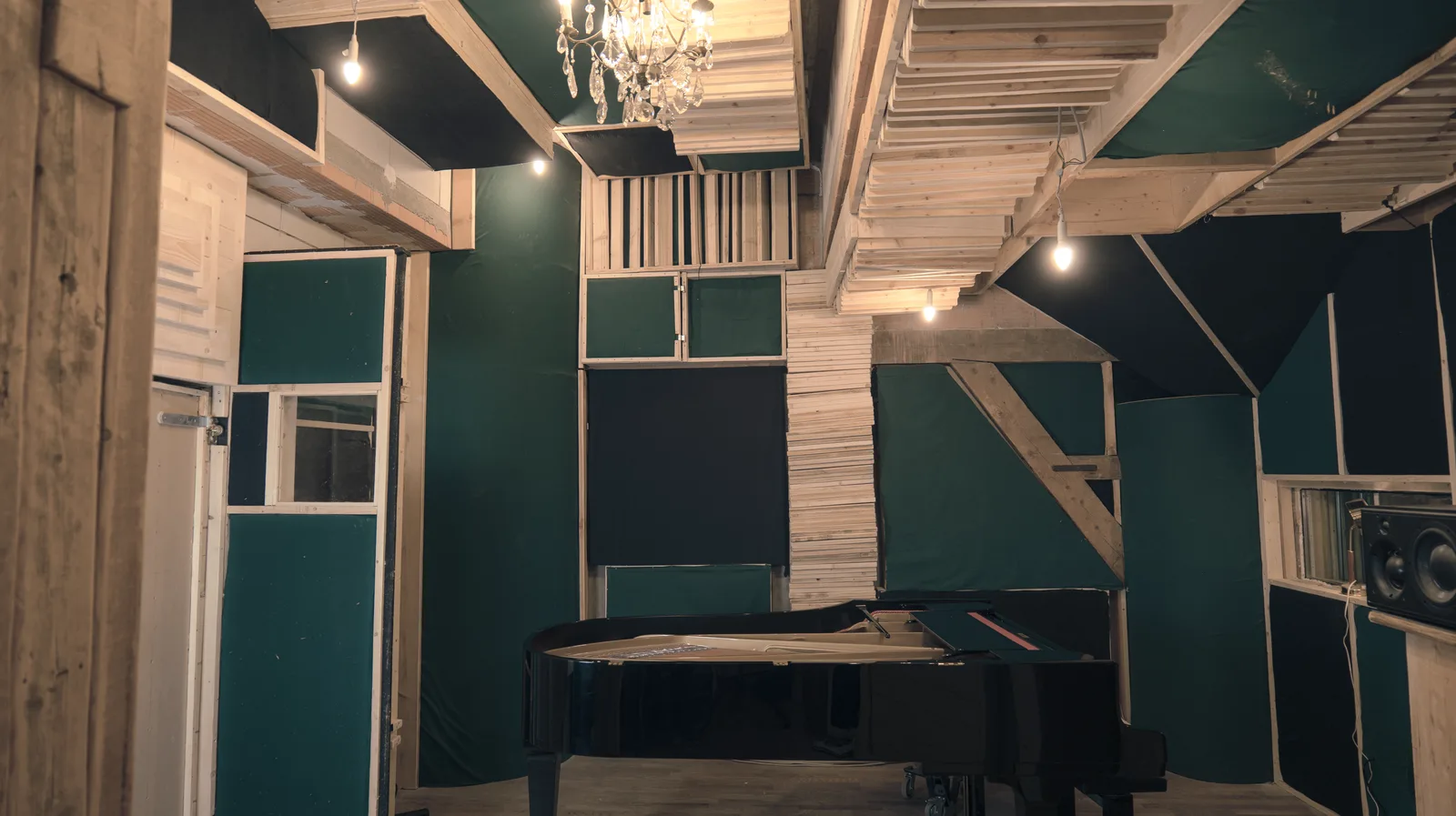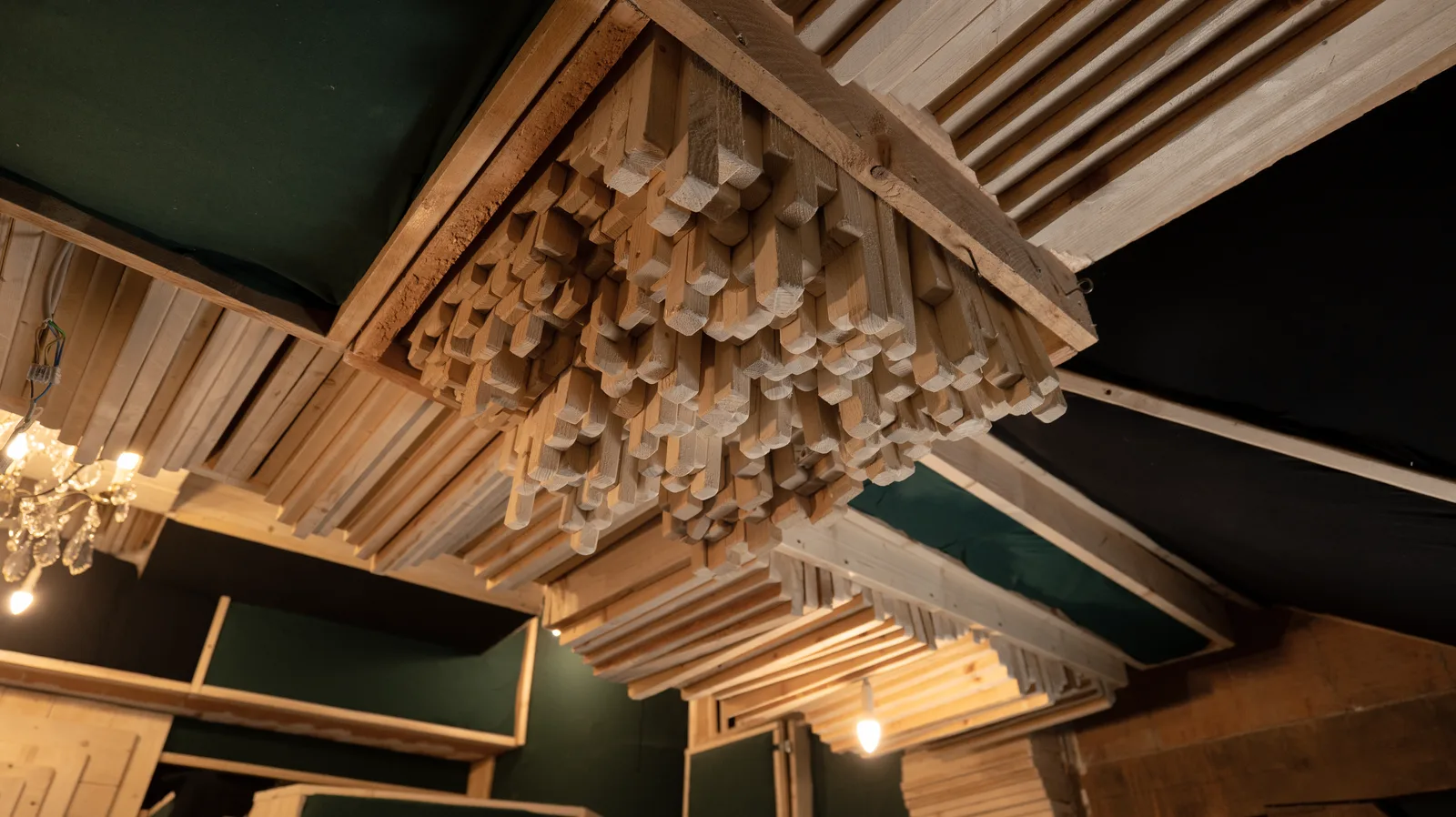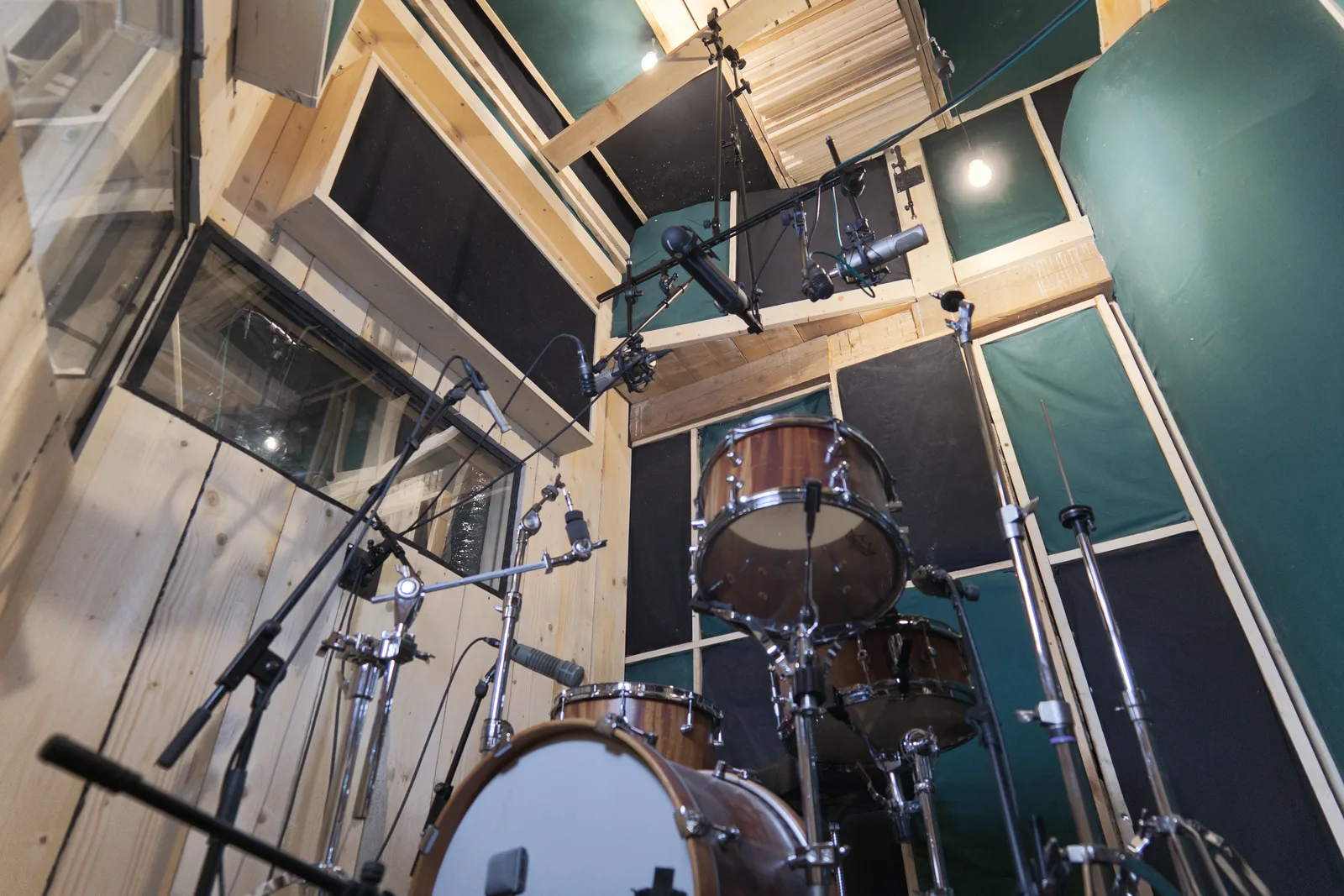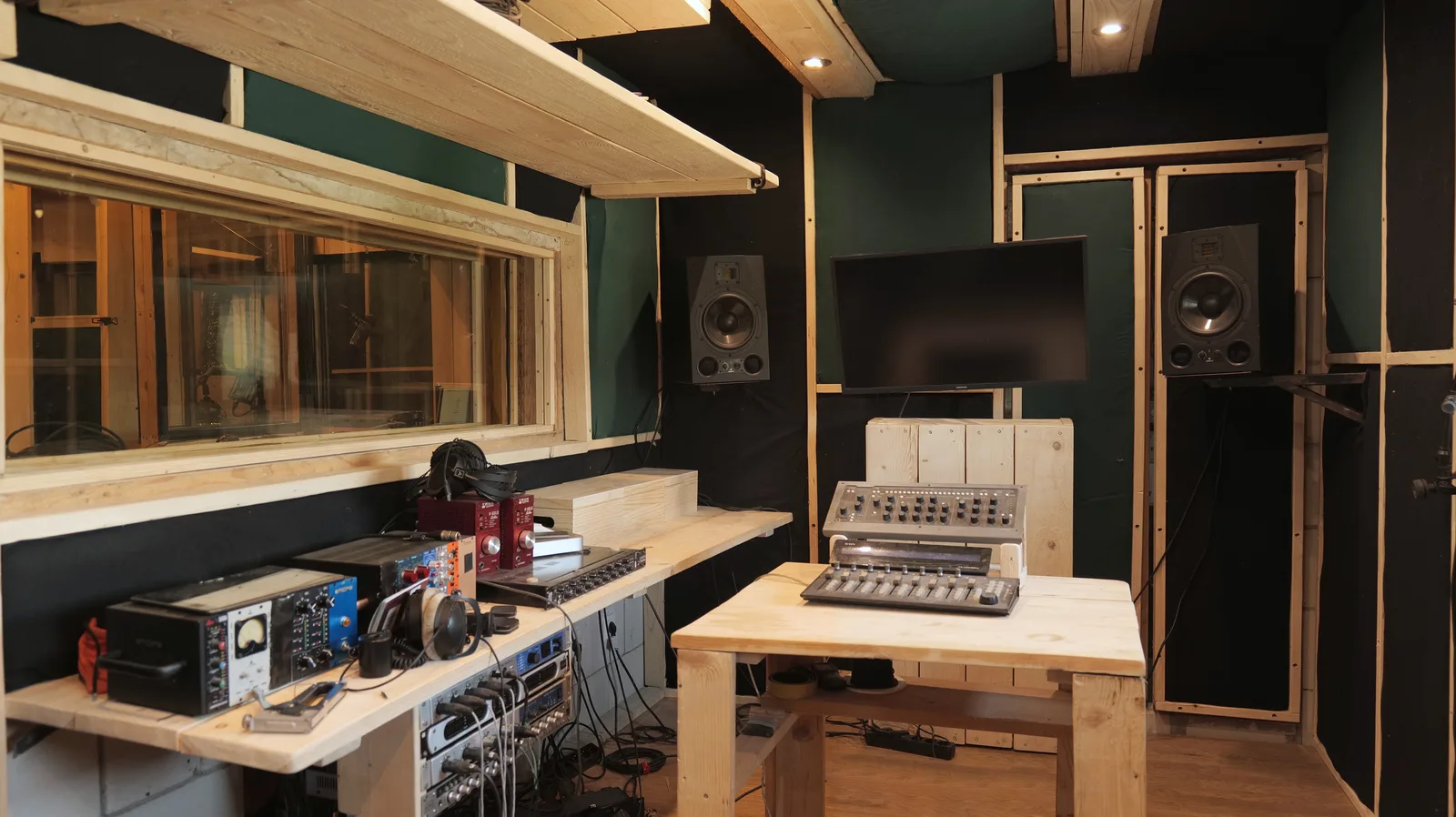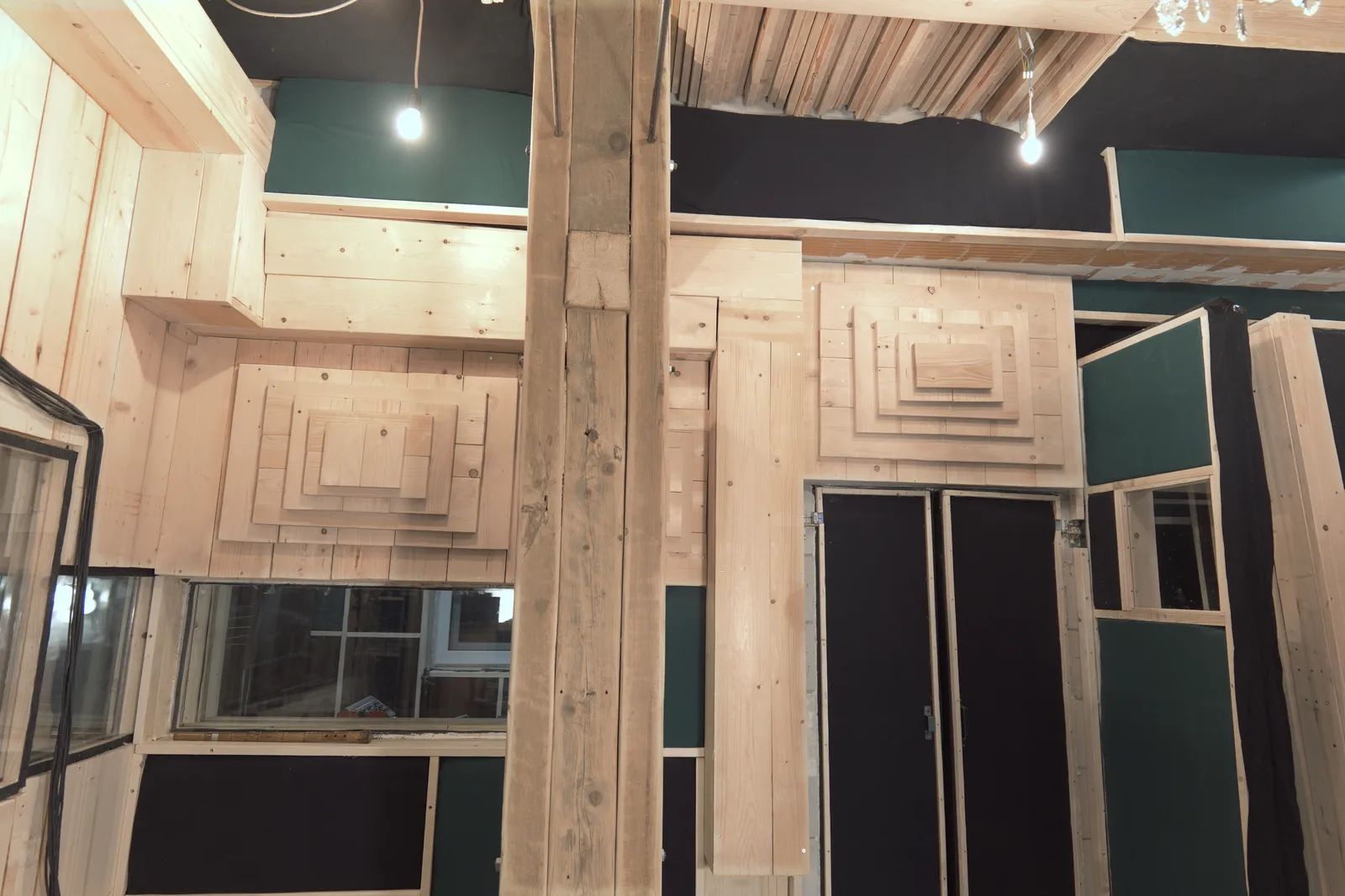
The studio wasn’t finished and then opened. It evolved through continuous recording
sessions — albums tracked, mixed, evaluated, and used as feedback to refine the
space further.
That process shaped more than the acoustics. It shaped the workflow.
Sessions start quickly. You arrive to a studio that is ready to work in, allowing
you to spend your energy on the performance rather than the setup. Recording often
begins within minutes — very rarely later than two hours after arrival.
The atmosphere is calm, focused, and open. There’s space to think, to try, and to go
deeper. Silence when you need it. Input if you ask for it. Clear communication
throughout — whether that means shaping sound together, following a score, or
staying completely out of the way.
Always trying to reach the state where the music starts making decisions on its own.
Sound that serves the artist — not the other way around.
The equipment is chosen for flexibility rather than ideology. A balance between
vintage character and modern precision makes it possible to never force the music
into a predefined aesthetic.
From ribbon-heavy microphone setups (including AEA, Coles, B&O) to detailed
condenser options (Schoeps, Neumann, AKG, Soyouz), combined with a range of
preamps and transparent conversion via SPL and RME, the signal chain adapts to the
session. If something specific is needed, it can be sourced.
At the center of the main room is a 1946 Grotrian-Steinweg (220cm) — completely
overhauled and maintained in top condition.
Monitoring is equally uncompromising, with systems from ATC and Dynaudio ensuring
decisions translate beyond the studio.
Experience on both sides of the glass.
Recording here means working with an engineer who deeply understands the acoustic,
technical and musical sides of the process.
Years of experience in professional studios, beginning at a young age, are
complemented by my own earlier work as a musician—from performing with a symphony
orchestra and playing saxophone at Fusion Festival to composing scores for
award-supported theatre productions.
I look for the sound that realizes the intention of the musician. My role is to
translate the musical ideas into their most potent form while keeping the
technical process as effortless as possible.
From preparation and communication to production choices, the role is not to
impose ideas, but to avoid misinterpretation. Perhaps most importantly, it’s about
creating an atmosphere where musicians feel focused, understood, and free,
enabling them to create at their highest level.
A recording space shaped around creative momentum.
The studio is primarily focused on jazz and other acoustic music — from emerging
artists to established projects — while remaining open to any work where sound,
interaction, and atmosphere matter.
Alongside album productions, the studio has recorded for 30+ theatre productions
and Hörspiel (radio drama), for example for Deutschlandfunk. If the approach to
recording written about above resonates with you and your project, feel free to
get in touch and continue the conversation.